The Home Secretary has confirmed that indefinite leave to remain will move to earned settlement, with a 10-year standard qualifying period. The government’s response to the earned settlement consultation sets out shorter 3- and 5-year pathways, stricter character rules and B2 English for every applicant. An applicant planning around the current 5-year route may face new requirements, or a longer wait, once the new rules are laid. This post provides an overview of the confirmed earned settlement changes for a UK indefinite leave to remain application.
Is the 10-year ILR rule confirmed?
Yes. The government has confirmed that the starting point for settlement will move from 5 years to 10 years.
It is set out in today’s announcement ‘Home Secretary unveils new rules for migrants settling in the UK‘. The consultation ran from 20 November 2025 to 12 February 2026 and received more than 200,000 responses. Under the new model, the time an applicant waits depends on their contribution, integration and immigration record, rather than on residence alone.
Prime Minister Andy Burnham said: “People want to see an immigration system based on control, contribution, and which rewards those who play by the rules.”
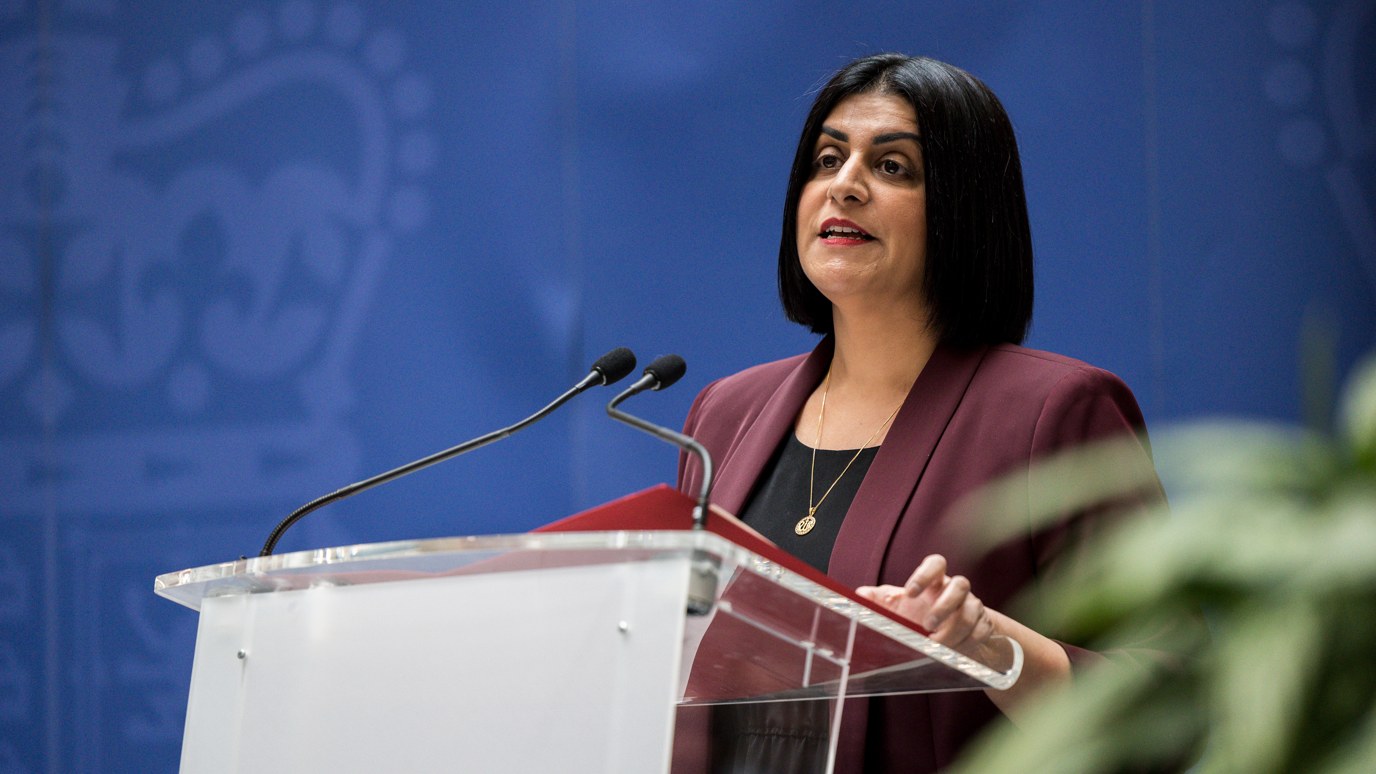
Home Secretary Shabana Mahmood said: “Settled status is one of the most valuable rights this country can offer. Until now it has been given almost automatically.”
The 15-year pathway proposed in the consultation for workers below degree level has been dropped. Those workers move to the 10-year default instead, with the chance to qualify sooner on a faster pathway.
When do the earned settlement rules come into force?
No date has been set. The new rules have not yet been laid before Parliament as a Statement of Changes to the Immigration Rules.
The government has said it will publish technical guidance and a full impact assessment before the rules are implemented. Until then, the current settlement rules continue to apply, including the existing 5-year routes to indefinite leave to remain.
The Home Secretary told Parliament that the settlement rules are determined when a settlement decision is made, not when someone arrives. The government response says the same. Unless the new rules include transitional provisions, an application is ordinarily decided under the rules in force when it is decided.
Whytecroft Ford’s immigration team can confirm whether an applicant already qualifies under the current rules, and the earliest date to apply. Call 0208 757 5751 or use the contact form.
Will the new ILR rules affect people already in the UK?
In most cases, yes. The new framework will apply regardless of when the applicant arrived in the UK. Whether it applies to applications already made when the new rules come into force will depend on the transitional provisions in those rules.
Transitional protection is limited to a few groups who were in the UK before the Immigration White Paper of May 2025. These are care workers, and some health and education workers whose jobs do not qualify for the permanent 5-year public service pathway. There is no general protection for everyone already on a route to settlement.
Indefinite leave to remain that has already been granted is not affected. The Home Secretary has confirmed that settled status will never be removed from anyone who already holds it.
Who can still settle after 5 years?
Applicants with a recognised British connection, higher earners and eligible public service workers can still settle after 5 years. Every other applicant who meets the requirements moves to the 10-year default.
| Pathway | Who it is for | Main condition |
|---|---|---|
| 3 years | Exceptional economic contribution | Earnings of £125,141 in 3 of the last 4 years, or qualifying through the highest talent group |
| 5 years | Strong contribution or a British connection | Earnings of £50,271 in 3 of the last 5 years, 5 years in an eligible health or education occupation, or a British connection |
| 10 years | The new default | Earnings of at least £12,571 in 5 of the last 7 years |
| 20 years | Applicants who have accessed public funds or committed an immigration breach | Earnings of at least £12,571 in 5 of the last 7 years |
Eligible public service occupations include doctors, nurses and teachers paid on national pay scales. Hong Kong British Nationals (Overseas) and members of the armed forces keep their current settlement pathways. They must still meet the new criminality and B2 English standards.
Time spent on temporary routes, such as the Student, Graduate and Youth Mobility routes, will not count towards the qualifying period.
What changes for spouses and partners?
Partners of British citizens keep the 5-year route to settlement. Partners of settled persons who are not British citizens move to a longer pathway.
The government response treats “eligible partners, parents and children of British citizens” as a recognised British connection, which qualifies for the 5-year pathway. This applies to partners who meet the core requirements of the family route, rather than those granted on the basis of exceptional circumstances. The partner must still meet the new mandatory requirements, including B2 English and the contribution requirement.
The response states that people who “arrived on a family visa not sponsored by a British citizen will move to a longer pathway to settlement”. This affects the partner of a person with indefinite leave to remain or settled status. The response does not name the pathway, so the detail will depend on the rules when they are laid.
A partner who arrives with the main applicant can settle at the same time, provided they meet the relevant requirements. A partner who joins later needs to complete the same qualifying period first.
Whytecroft Ford’s immigration team can check how the changes may affect the timing of an application for indefinite leave to remain as a partner. Call 0208 757 5751.
What will every ILR applicant need to meet?
Every applicant will need to meet five mandatory requirements, whichever pathway applies. Higher earnings or public service cannot offset them.
- Good character. Any adult applicant with a criminal record in the UK will be refused settlement. This includes suspended sentences, conditional cautions, court fines, community sentences and conditional discharges.
- No government debt. The applicant must not owe money to the taxpayer.
- English at B2. B2 is equivalent to an A level in a foreign language. The existing exemptions for children, applicants aged 65 or over and applicants with a long-term physical or mental condition continue.
- The Life in the UK test. The test stays as a requirement for settlement.
- Sustained contribution. The applicant must show a record of sustained National Insurance contributions. On the 10-year pathway, this means earnings of at least £12,571 in 5 of the last 7 years. A couple can combine their earnings to meet a household threshold of £25,142.
An applicant must also not have received specified public funds in the 5 years before applying. An applicant who has received them will need to complete 20 years on a qualifying route.
The move to B2 English is already in the Immigration Rules for many routes. Appendix KoLL requires B2 for settlement applications made on or after 26 March 2027. The English requirement for ILR and citizenship explains the accepted tests and qualifications.
The stricter criminality rule is a significant change. At present, a sentence of less than 12 months, a non-custodial sentence or an out-of-court disposal leads to discretionary refusal rather than automatic refusal.
What changes for Skilled Workers and care workers?
Skilled Workers earning £50,271 or more in 3 of the last 5 years can still settle after 5 years. Most other Skilled Workers move to the 10-year default.
Care workers who entered or switched into the care worker route before the Immigration White Paper in May 2025 keep the 5-year qualifying period. They must have earned at least £25,000 a year and met the sponsorship and employment requirements. They must also meet the new mandatory requirements, including B2 English and the criminality rule.
A care worker in this group who does not qualify after 5 years can apply for a further 5-year Health and Care visa first. A care worker who joined the route after May 2025 moves to the 10-year default.
One-off protection also covers health and education workers below degree level on a national pay scale, such as nursing auxiliaries and teaching assistants. They keep a 5-year route if they came to the UK before May 2025 and meet the requirements of their visa.
Skilled Workers already on the route before the April 2024 salary increases can extend on their current terms until 2035, rather than 2030.
The current rules for Skilled Worker settlement continue to apply until the new rules are laid.
Frequently asked questions
Will people who already have ILR lose it?
No. The Home Secretary has confirmed that settled status will never be removed from anyone who already holds it.
Does earned settlement change the rules for British citizenship?
The government response deals with settlement and does not change the requirements for naturalisation as a British citizen. However, most applicants must hold indefinite leave to remain before applying. A longer route to settlement therefore means a longer route to citizenship.
Can volunteering reduce the qualifying period?
No. The consultation proposed that volunteering could shorten the qualifying period, but the government has decided not to include it.
What happens to children under the new rules?
Children under 18 can still settle with their parents. They are exempt from the income, government debt, English and Life in the UK test requirements, but the suitability and criminality rules still apply. Young adults aged 18 to 24 who keep dependant status can settle with their family without meeting the earnings requirement. From age 25, they need to qualify in their own right.
How Whytecroft Ford can help
Earned settlement changes how long many applicants will wait for indefinite leave to remain, and adds requirements that cannot be offset. An applicant who already qualifies under the current rules may wish to take advice on timing now, because the transitional provisions are not yet known. Whytecroft Ford’s immigration team is experienced, approachable and professional. The team prepares settlement applications every day, including applications by partners of British citizens and settled persons.
To discuss your application with our team, call 0208 757 5751 or use the contact form.
Featured image: Shabana Mahmood, Andy Taylor / Home Office, CC BY 4.0, cropped.
Disclaimer: The material in this article is provided for guidance and general information only and is not intended to constitute legal or other professional advice upon which you should rely. In particular, the information should not be used as a substitute for a full and proper consultation with a suitably qualified professional. UK Immigration Rules are subject to change. Please do contact the Whytecroft Ford team if you require further advice.