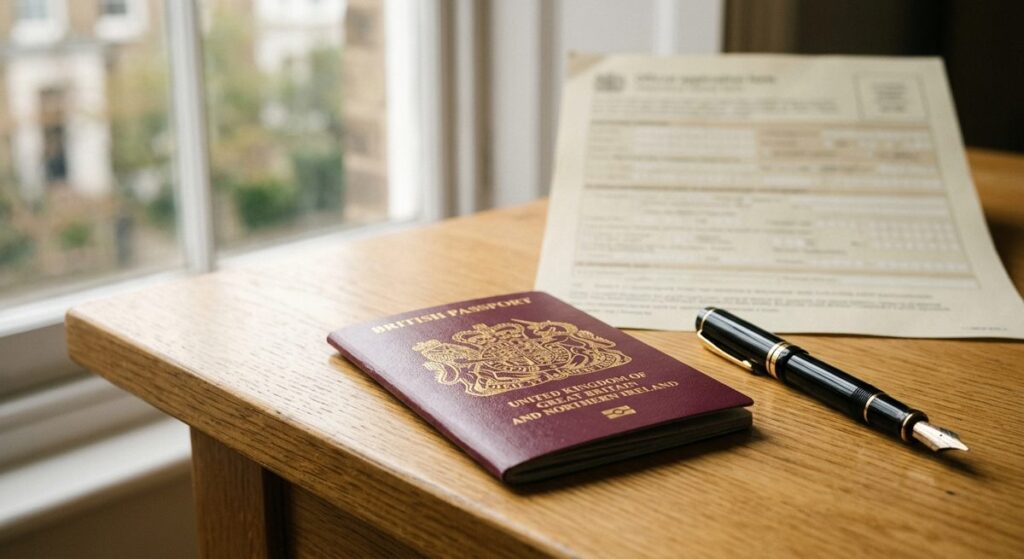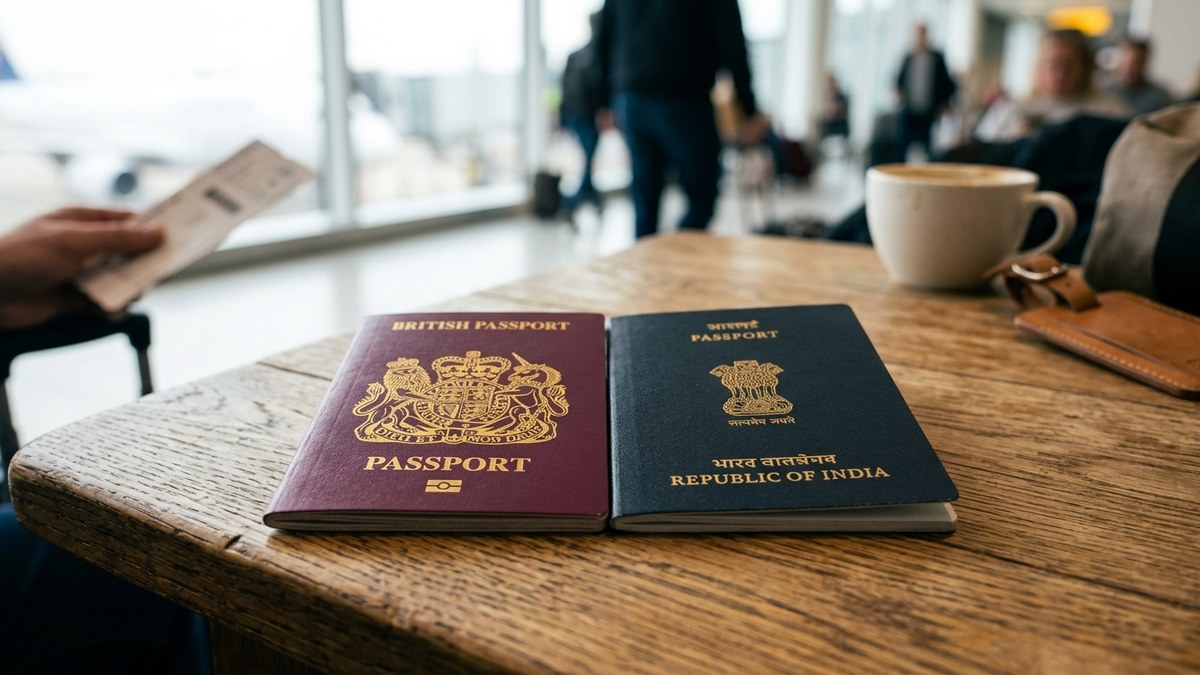
Many Indian nationals build a full life in the UK, with a home, a career and children in British schools, yet still renew their leave every few years. British citizenship ends that cycle and makes the UK a permanent home. The one hesitation for most Indian families is the Indian passport, since India does not allow dual citizenship, but that concern is manageable. This post provides an overview of British citizenship for Indian nationals who are weighing the move from Indian to British nationality.
Why do so many Indian nationals in the UK apply for British citizenship?
Citizenship carries the right to hold a British passport, to vote and to leave and re-enter the UK without immigration conditions. It also makes it simpler to sponsor close family and to pass status to children. Unlike Indefinite Leave to Remain, British citizenship cannot lapse through long absences abroad. The government has proposed extending the qualifying period for settlement, so many residents now treat citizenship as the more secure long-term goal. The full list of advantages is set out on the benefits of British citizenship guide. Becoming British as an adult is known as naturalisation, the grant of citizenship to a settled adult who meets the statutory conditions under the British Nationality Act 1981. The route itself is explained on the naturalisation service page.
What are the requirements to naturalise as a British citizen?
An Indian national qualifies for British citizenship by meeting a set of statutory conditions, rather than by length of residence alone. Most apply on the standard route, and a shorter route is available to the spouse or civil partner of a British citizen.
The conditions for naturalisation sit in section 6 of the British Nationality Act 1981 and Schedule 1 to that Act. The main requirements are:
- Settled status: the applicant is free from immigration time restrictions, normally by holding Indefinite Leave to Remain or settled status for 12 months before applying.
- Continuous residence: lawful residence in the UK across the qualifying period, within the permitted limits on absences, and physical presence in the UK at its start. The current day counts are on the residence requirements guide.
- Good character: the applicant meets the good character requirement, which covers criminal history, compliance with immigration law, and financial affairs such as tax and debt.
- Knowledge of language and life: the applicant passes the Life in the UK test and meets the English language requirement, unless an exemption applies.
- Future intentions: on the standard route, the applicant intends to continue living in the UK.
- Age and capacity: the applicant is aged 18 or over and of sound mind.
Section 6(1) sets the standard route, and section 6(2) sets the route for the spouse or civil partner of a British citizen. The spouse route has a shorter qualifying period and no separate future-intentions test. Meeting every requirement before applying is what protects the fee, since a naturalisation fee is not refunded if an application is refused. A careful assessment against each condition is therefore the safest way to apply.
Does becoming British mean giving up your Indian citizenship?
Yes. Becoming a British citizen ends a person’s Indian citizenship, because India does not permit dual citizenship. The two statuses cannot be held together.
The rule sits in Indian nationality law, not in the Immigration Rules. Article 9 of the Constitution of India provides that a person who voluntarily acquires a foreign citizenship is not a citizen of India. Section 9(1) of the Citizenship Act 1955 carries this into effect. This is automatic cessation, meaning Indian citizenship ends by operation of law on the day British citizenship is acquired. It differs from renunciation, the voluntary act of formally giving up a citizenship a person could otherwise keep. An Indian national naturalising as British does not apply to renounce; the Indian citizenship simply ends under section 9(1). The change is a known and routine part of the move, not an obstacle to it.
Does giving up Indian citizenship mean losing your connection to India?
No. A former Indian citizen can keep a lifelong connection to India through an Overseas Citizen of India card. The card preserves most of the practical ties that matter day to day.
The Overseas Citizen of India (OCI) Cardholder scheme is a registration for foreign nationals of Indian origin under section 7A of the Citizenship Act 1955. It provides a lifelong, multiple-entry facility to live, work, study and travel in India without a separate visa. Eligibility extends to a person who was an Indian citizen on or after the commencement of the Constitution of India, or who was eligible to become one. It also covers certain spouses and descendants of such persons. An OCI card is not a restoration of citizenship, and it does not carry voting rights or the right to hold certain public offices. For most families it keeps the India connection open while British citizenship secures their position in the UK. The distinctions between the available statuses are explained on the difference between NRI, OCI and PIO guide.
What happens to your Indian passport, and when?
An Indian passport becomes invalid once the holder becomes a British citizen, because it may only be held by an Indian citizen. It is surrendered after the citizenship ceremony, not before.
British citizenship is acquired at the citizenship ceremony, the final step at which a person takes the oath and pledge. Until that date the applicant remains an Indian citizen and may still need a valid Indian passport. After the ceremony, the passport is surrendered to the Indian mission, which issues a surrender certificate confirming it has been given up. The surrender certificate is normally required before an Overseas Citizen of India application can proceed. The process, the documents and the current fees are set out on the surrender an Indian passport in the UK guide. Continuing to travel on the Indian passport after naturalising is not a lawful alternative.
Is British citizenship worth it if you spend a lot of time in India?
For Indian nationals who travel often or plan to spend long periods in India, citizenship still makes sense, because an Overseas Citizen of India card removes the usual visa barrier.
An OCI card allows unlimited visits and long stays without a separate Indian visa. Indefinite Leave to Remain, by contrast, can be lost through long absences from the UK, while British citizenship cannot. Citizenship therefore suits people who want the freedom to spend time in both countries. Time spent in India does not reduce the security of the British status once it is held.
How does British citizenship protect you from future immigration rule changes?
British citizenship is permanent and sits outside the Immigration Rules, so it is not affected when those rules change. Visas and settlement, by contrast, depend on rules that the government can tighten.
The government has consulted on an earned settlement model that would lengthen the qualifying period for Indefinite Leave to Remain. Proposals of that kind can affect people who have not yet settled or naturalised. A person who has already become British is not exposed to later changes to leave or settlement requirements. For Indian families planning years ahead, that permanence is a large part of the appeal. These proposals are not yet law, and the current requirements still apply.
What does becoming British mean for your children and family?
Becoming British can strengthen a family’s position, though each child’s citizenship is assessed individually rather than following the parents automatically.
A child who is already a British citizen has no Indian citizenship to lose. A child who holds Indian citizenship and later acquires British citizenship ceases to be an Indian citizen under section 9(1), in the same way as an adult. A British citizen parent may also find it simpler to secure their children’s status and to sponsor a partner. Because each position differs, a family becoming British is best assessed child by child.
What is the path from your current status to British citizenship?
The usual path runs from settled status or Indefinite Leave to Remain, through naturalisation, to the citizenship ceremony. It then continues to surrendering the Indian passport and applying for an Overseas Citizen of India card.
Most applicants first hold Indefinite Leave to Remain or settled status before applying to naturalise. The application is then assessed against the requirements above, and a successful applicant is invited to a citizenship ceremony. The Indian passport surrender and any OCI registration follow the ceremony rather than preceding it. Taken in order, the steps form a single journey from Indian national to British citizen with continuing ties to India.
Frequently asked questions
Can you hold both British and Indian citizenship at the same time?
No. The UK permits dual nationality, but India does not. Under section 9(1) of the Citizenship Act 1955, an Indian citizen who voluntarily acquires another citizenship ceases to be an Indian citizen.
Who is eligible to apply for British citizenship?
Most applicants are settled adults who hold Indefinite Leave to Remain or settled status, meet the good character and knowledge requirements, and satisfy the residence conditions. The spouse or civil partner of a British citizen can apply on a shorter route.
Is British citizenship worth it if you might move back to India?
For many people it is. An Overseas Citizen of India card lets a former citizen live, work and travel in India without a visa, so a return remains possible. The British status stays secure meanwhile.
Do you have to give up your Indian passport straight away?
The Indian passport is surrendered after the citizenship ceremony, not before. It becomes invalid once British citizenship is acquired, and the Indian mission then issues a surrender certificate.
Is an OCI card the same as dual citizenship?
No. An OCI card allows a person of Indian origin to live, work and travel in India, but it is not citizenship. It does not restore Indian citizenship or grant voting rights.
Will becoming British affect property you own in India?
This is a question of Indian property rather than nationality law, and it should be checked separately. A change to Overseas Citizen of India status can affect how future Indian transactions are treated.
How Whytecroft Ford can help
The Whytecroft Ford immigration team advises on the UK naturalisation route, from confirming eligibility to the British citizenship application and the ceremony. The firm’s separate Indian-law service supports the same clients on surrendering the Indian passport and registering as an Overseas Citizen of India. To plan your route from Indian to British nationality with our team, call 0208 757 5751 or use the contact form.
Sources
- Dual citizenship – GOV.UK
- British Nationality Act 1981 – legislation.gov.uk
- The Citizenship Act 1955, sections 9 and 7A (India)
The material in this article is provided for guidance and general information only and is not intended to constitute legal or other professional advice upon which you should rely. In particular, the information should not be used as a substitute for a full and proper consultation with a suitably qualified professional. UK Immigration Rules are subject to change. Please do contact the Whytecroft Ford team if you require further advice.