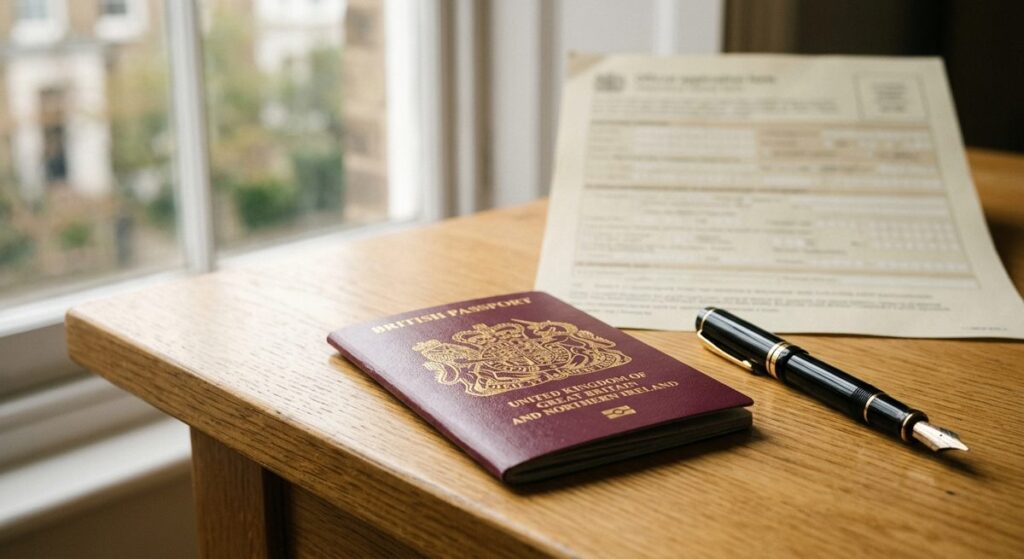
A person who gave up British citizenship can often get it back by resuming it. Resumption is a registration application under the British Nationality Act 1981. Some people have a legal right to be registered and good character must be shown in every case, and a refusal means a lost fee. This post provides an overview of resuming British citizenship after renunciation for a person who previously gave it up.
Can you get British citizenship back after renouncing it?
Yes. A person who renounced British citizenship can usually apply to resume it by registration. The route is set out in the British Nationality Act 1981, and the application is made on form RS1. Resumption restores citizenship rather than granting it for the first time.
Renunciation is the formal act of giving up British citizenship, usually made by declaration so the person can keep or acquire another nationality. The law then provides a way back, either as a right or at the Home Secretary’s discretion, depending on the circumstances. This is a nationality matter, distinct from the visa routes, and it sits within the firm’s British citizenship work. Resumption is one of the registration routes to citizenship, alongside registration in other circumstances.
What is resumption of British citizenship?
Resumption is the process of becoming a British citizen again after renouncing, by registering under section 13 of the British Nationality Act 1981. It is a separate route from naturalisation, because the applicant held British citizenship before and is seeking to restore it. The application is made on form RS1.
Form RS1 is for people who have renounced British citizenship, or citizenship of the United Kingdom and Colonies, and who now wish to resume it. Unlike naturalisation, resumption does not require a fresh residence period in the UK, because it builds on the citizenship the applicant previously held. It differs from naturalisation, which is the route for people becoming British for the first time, and from citizenship by marriage. The route recognises that the applicant had a prior connection to British citizenship.
Who has a right to resume British citizenship?
A person has a right, once only, to be registered as a British citizen if they renounced British citizenship in order to keep or acquire another citizenship. The right applies where the applicant meets the statutory conditions. Where the right applies, the Home Secretary must register the applicant.
The British Nationality Act 1981 sets the conditions for the entitlement. The applicant must be of full capacity, must be of good character, and must have made a declaration of renunciation of British citizenship. The applicant must also have a qualifying connection to the United Kingdom. The connection exists through a person who was born, naturalised or registered in the UK. That person can be the applicant, a parent, a paternal grandparent, a spouse or civil partner, or that partner’s father or paternal grandfather. The Home Secretary has discretion to waive the full-capacity requirement in an appropriate case. The connection requirement is what makes the right available, and it is assessed on the documents.
When is resumption at the Home Secretary’s discretion?
Resumption is at the Home Secretary’s discretion where the applicant does not qualify for the right. This applies where the citizenship was renounced for another reason, or where the applicant has already resumed once as of right. In these cases the Home Secretary may register the applicant if they see fit. The application is decided on its merits.
GOV.UK confirms the discretionary cases. Registration is discretionary if a person renounced for any reason other than to keep or acquire another citizenship, or has already renounced and resumed British citizenship as a right. The good character requirement still applies, and the applicant must still provide evidence of identity and of the renunciation.
What is the good character requirement for resumption?
Every applicant to resume British citizenship must satisfy the good character requirement, whether they apply as of right or at discretion. The requirement is set by the British Nationality Act 1981 and assessed against published policy. It looks at conduct, not only at criminal convictions.
The Home Office assesses criminality, immigration history, financial soundness and any deception in dealings with government. An applicant must disclose convictions, cautions and relevant penalties, and must be honest about their tax and immigration history. The published good character policy guides how each matter is weighed, and an applicant can set out mitigating circumstances. The same standard applies across citizenship routes, and the firm’s guide to the residence and other requirements for naturalisation explains the good character expectations in more detail. Honest and complete disclosure is central, because a false declaration is a criminal offence and can lead to later deprivation.
What type of British citizenship do you get back?
A person who resumes British citizenship usually does so in the same form they held before renouncing, which in most cases is citizenship by descent. The category matters because it affects whether the status can be passed to children born outside the UK. The point should be checked before applying.
A person who was a British citizen by descent before renouncing will become a British citizen by descent again on resumption. British citizenship by descent cannot normally be passed on automatically to a child born outside the UK, unlike citizenship otherwise than by descent. An applicant who is considering future children abroad should understand which category they will hold. The wider benefits of British citizenship apply once the status is restored, regardless of the category.
How do you apply to resume British citizenship?
A person resumes British citizenship by completing form RS1, providing the supporting documents, paying the fee and attending a citizenship ceremony if the application succeeds. The application is made to UK Visas and Immigration. The process restores the citizenship rather than granting it afresh.
The applicant provides evidence of identity, a copy of the declaration of renunciation, evidence of present nationality, and evidence of the qualifying connection to the United Kingdom. Two referees must endorse the application, each having known the applicant for at least three years, as explained on the firm’s guide to referees in British citizenship applications. The applicant enrols biometrics, and a successful adult applicant attends a ceremony to take the Oath of Allegiance. The current fee is published on the UK immigration fees guide. The Home Office aims to decide applications within six months, with timelines covered on the British citizenship processing time guide.
Frequently asked questions
Yes. A person who renounced British citizenship can usually apply to resume it by registering on form RS1 under the British Nationality Act 1981. Some applicants have a right to be registered, while others rely on the Home Secretary’s discretion. The route restores citizenship rather than granting it for the first time, so no fresh residence period is required.
No. Resumption is for people who previously held British citizenship and renounced it, and it is made on form RS1. Naturalisation is for people becoming British for the first time, with a residence and other requirements. Resumption does not require a new qualifying period of residence, because it builds on the citizenship the applicant held before.
A person has a right, once only, where they renounced British citizenship to keep or acquire another citizenship. They must also be of full capacity and good character, and have a qualifying connection to the United Kingdom. The connection exists through the applicant or specified relatives having been born, naturalised or registered in the UK. Where the right does not apply, registration is at the Home Secretary’s discretion.
Yes. The good character requirement applies to every applicant, whether they apply as of right or at discretion. The Home Office assesses criminality, immigration history, financial soundness and any deception. Full and honest disclosure is essential, because a false declaration is a criminal offence and can lead to later deprivation of citizenship.
The UK permits dual nationality, so a person does not have to give up their present citizenship to become British again. Some other countries do not allow dual citizenship, however, and a person may lose their existing nationality on becoming British. An applicant should check the position with the authorities of their other country before applying.
How Whytecroft Ford can help
The Whytecroft Ford immigration team advises on British citizenship and the registration routes, including resumption after renunciation. The firm helps the long-settled person who once gave up British citizenship establish whether the right applies, prepare the connection and good character evidence, and complete form RS1. To discuss a resumption application with our immigration team, call 0208 757 5751 or use the contact form.
Sources
- Form RS1: guidance – GOV.UK
- British Nationality Act 1981, section 13 – legislation.gov.uk
- Good character: nationality policy guidance – GOV.UK
Written and reviewed by the Whytecroft Ford immigration team. IAA Accredited. All guidance is researched against primary sources, including the Immigration Rules, Home Office caseworker guidance and GOV.UK. Reviewed every six months, or sooner following a rule change. Last reviewed: 12 June 2026.